
Last Updated on May 4, 2026 by dhruwuttam58
If you’ve spent any time staring at the protein powder aisle—or endlessly scrolling product pages—you’ve likely faced the same struggle. Most powders are whey-based, and even the ones marketed as ‘vegan’ can be a gut nightmare if they’re packed with artificial sweeteners, cheap fillers, or undisclosed allergens.
This guide cuts through the noise and highlights what actually matters. Whether you’re dealing with lactose intolerance, gluten sensitivity, or want cleaner fuel for workouts and daily nutrition, you’ll find a solid pick below—backed by ingredient transparency, not marketing buzzwords.
While all products listed are dairy-free and plant-based, gluten-free certification status may vary. If you have celiac disease or severe gluten sensitivity, always check for certified gluten-free labeling.
A quick note on protein needs: According to the NIH Office of Dietary Supplements, most adults need between 0.8g and 1.6g of protein per kilogram of body weight, depending on activity level. Plant proteins can absolutely meet those needs—you need to pick the right sources.
Want a broader look at how to hit your protein targets on a dairy-free, gluten-free diet? Check out our guide on how to get protein when gluten and dairy free.
We hand-picked these protein powders for their ingredient quality, digestibility, and real-world usability — not just marketing claims or label promises.
Table of Contents
Best Picks at a Glance
-
Best Overall (Balanced + Gut Support):
THE Plant Protein – MyProtein -
Best for Sensitive Stomach:
Pea Protein Isolate – MyProtein -
Best for Muscle Building:
Soy Protein Isolate – MyProtein -
Best for High Protein Intake:
Vegan Protein Blend – MyProtein -
Best Clean Organic Option:
Future Kind Organic Protein (Vanilla) -
Best for Added Nutrition (Omega + Fiber):
Future Kind Organic Protein (Chocolate)
These quick picks are based on different needs—digestion, muscle gain, and ingredient quality. You’ll find detailed breakdowns and a comparison table below.
Why Plant-Based Protein Powders Work
Plant proteins have improved significantly over the years. The idea that they are incomplete or harder to absorb is mostly outdated, especially with modern blends.
Pea protein, for example, has a digestibility score comparable to many animal proteins. When combined with sources like rice or hemp, it provides a complete amino acid profile without relying on dairy.
According to the Harvard T.H. Chan School of Public Health, well-planned plant-based diets can meet protein needs for most healthy adults. A quality protein powder helps fill gaps when your daily intake falls short.
The 6 Best Dairy-Free Gluten-Free Protein Powders in 2026
1. THE Plant Protein – MyProtein
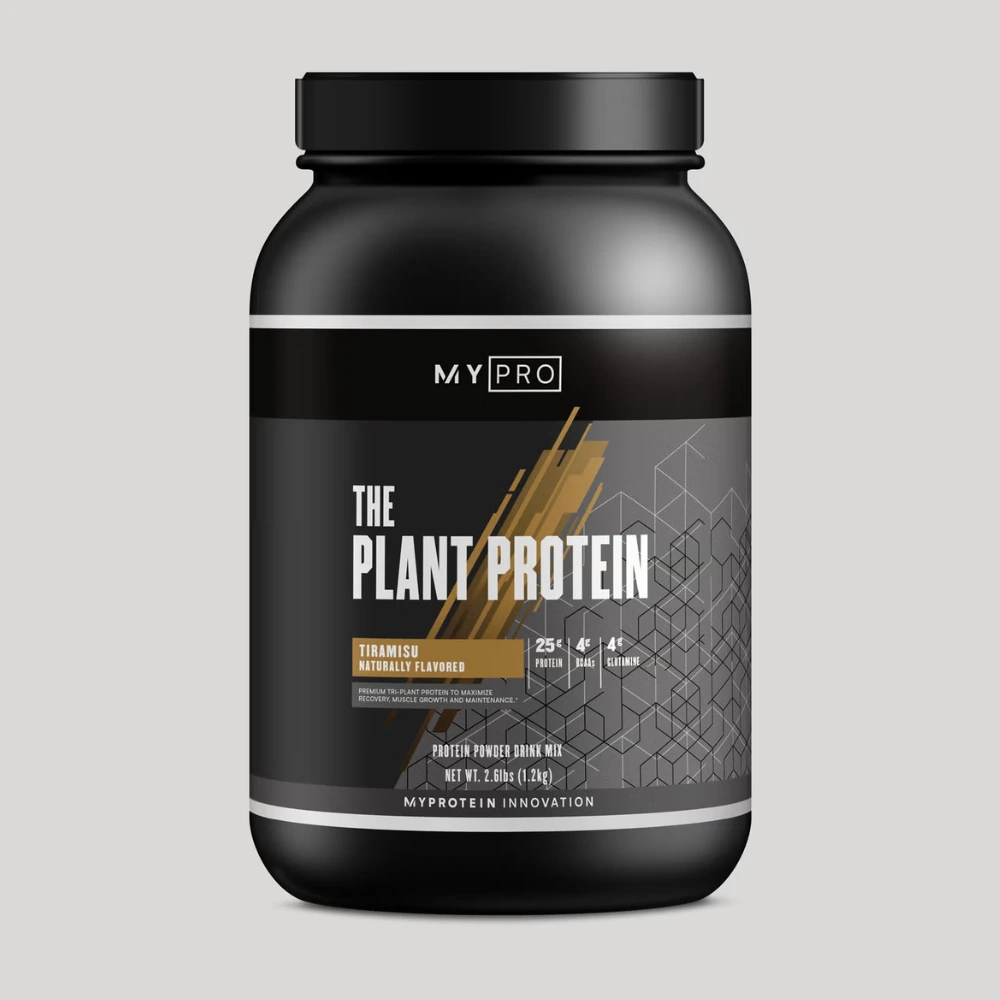
Best for: Balanced nutrition + gut support
- Protein source: Pea, pumpkin seed, watermelon seed
- Protein per serving: 25g
- Amino profile: Complete — covers all essential amino acids
- Gut support: Includes digestive enzymes and probiotics — a genuine advantage for sensitive stomachs
- Limitation: Contains soy, so not ideal if soy is a trigger for you
This is one of the more thoughtfully formulated options on the market. The three-source protein blend gives you amino acid coverage that single-ingredient powders can’t match, and the enzyme-probiotic combo is a real differentiator — not just a label claim.
2. Pea Protein Isolate – MyProtein
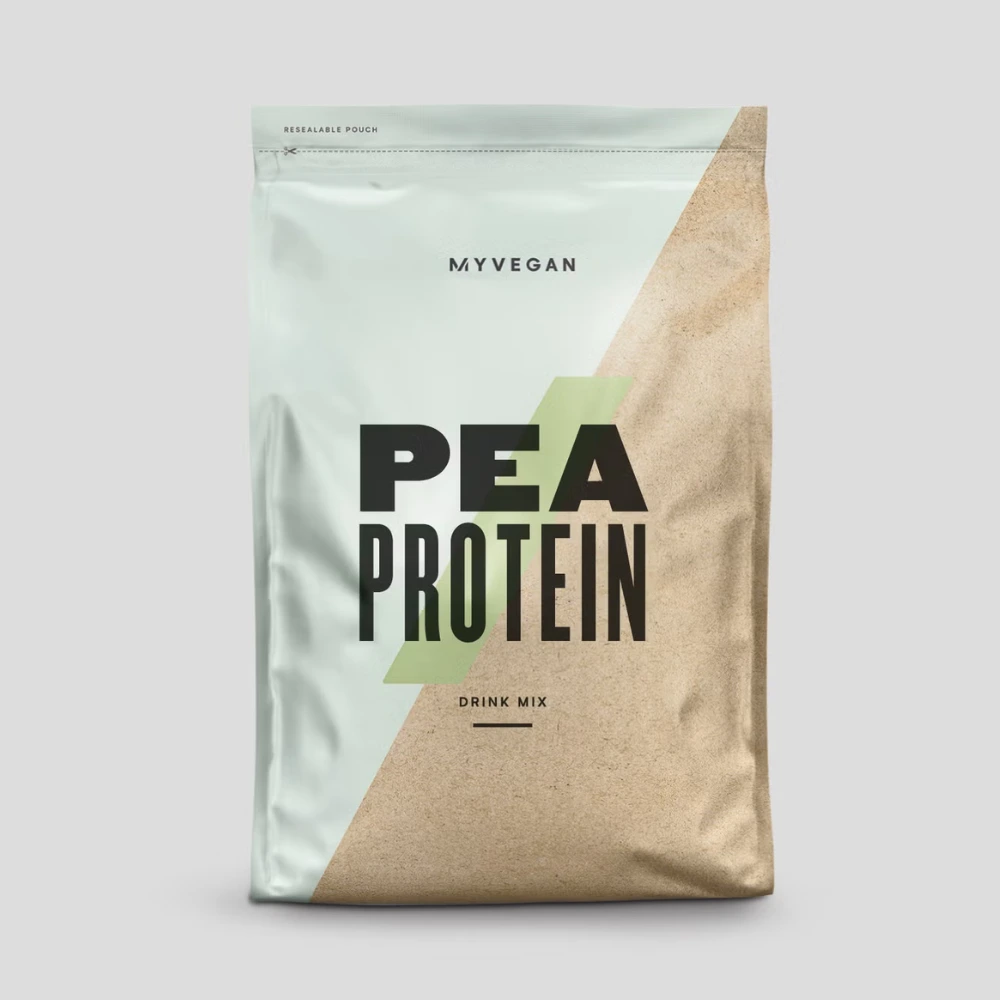
Best for: Sensitive stomach / easiest to digest
- Protein source: Pea isolate (single ingredient)
- Protein per serving: 21g
- Why it’s easy to digest: Minimal ingredients = minimal variables. No blends, no proprietary mixes
- Bonus: High iron content — worth noting for vegans who often run low
- Limitation: While some find the texture a bit more ‘earthy’ than whey, it blends seamlessly into smoothies or oat milk
If you’ve had bad reactions to protein powders in the past and aren’t sure what caused them, this is the best place to start. One ingredient: full ingredient transparency.
3. Soy Protein Isolate – MyProtein
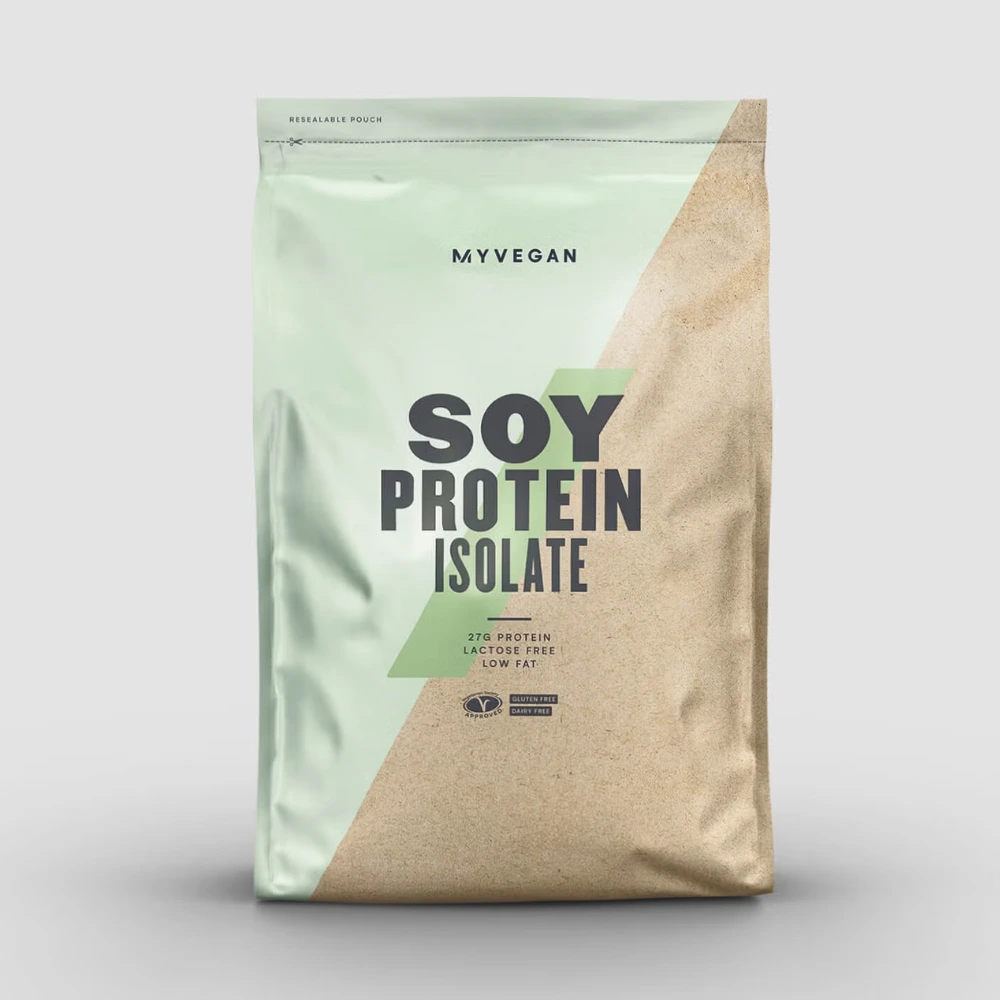
Best for: Muscle building
- Protein source: Soy isolate
- Protein per serving: 26g — highest single-serving count in this list
- Complete protein: Soy is one of the few plant proteins with a full essential amino acid profile on its own
- Limitation: Not suitable for anyone with soy sensitivity or soy allergy — strictly avoid this if you have a known soy allergy
For users without soy concerns, this is a high-efficiency, cost-effective option for muscle protein synthesis. Research on soy protein for muscle building is strong — the Academy of Nutrition and Dietetics has reviewed it favorably for athletes on plant-based diets. More on that from the Academy of Nutrition and Dietetics (eatright.org).
4. Vegan Protein Blend – MyProtein
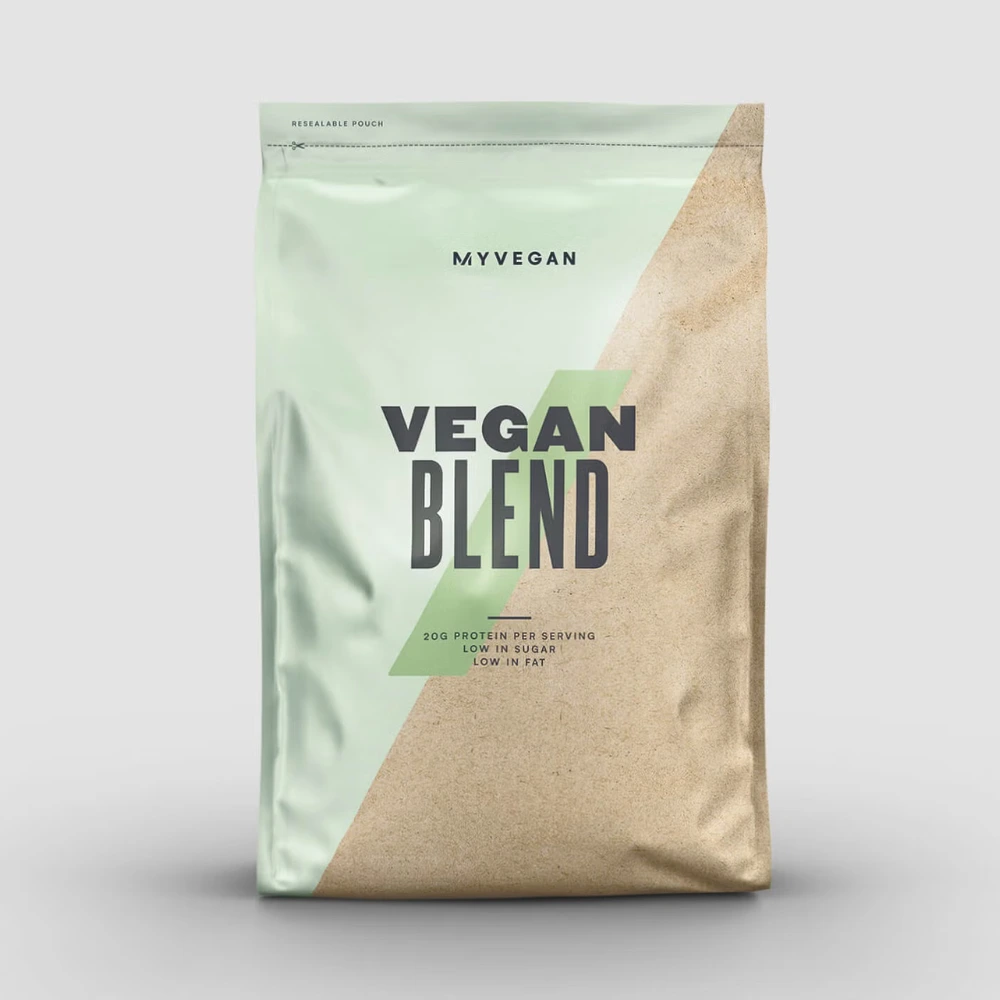
Best for: High protein intake/performance
- Protein source: Pea + brown rice — the classic plant-protein duo
- Protein per serving: 27g — top of the list
- BCAAs: Strong leucine content supports muscle recovery and adaptation
- Digestive enzymes: Included, which help absorb the higher protein intake more efficiently
- Limitation: Higher sodium content than others here — worth tracking if you’re monitoring salt intake closely
This is the performance pick. Pea and brown rice together form a complementary amino acid pair that fills the gaps each source alone misses. Great for post-workout or as a meal supplement when you’re training consistently.
5. Organic Vegan Protein Powder (Vanilla) – Future Kind
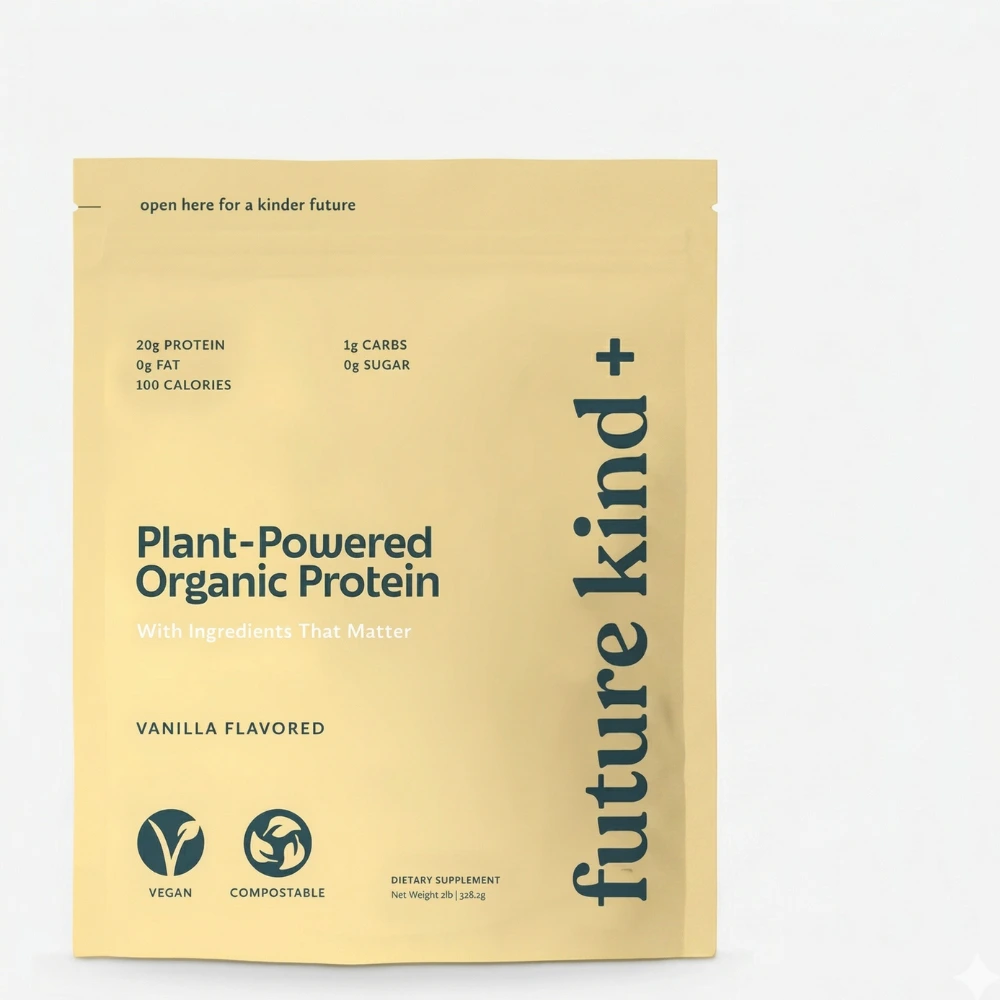
Best for: Clean, organic nutrition
- Protein source: Organic pea protein
- Protein per serving: 20g
- Certified organic + non-GMO: One of the cleaner labels you’ll find in this category
- No artificial additives: No artificial colors, flavors, or sweeteners — a truly transparent formula
- Limitation: Manufactured in a shared allergen facility — cross-contamination risk for those with severe allergies; check directly with Future Kind if this is a concern
Future Kind built their brand around vegan supplementation specifically, and that discipline shows in the ingredient choices here. The vanilla flavor is light enough not to overwhelm smoothies or oatmeal, and organic certification matters if you’re trying to minimize pesticide exposure.
6. Organic Vegan Protein Powder (Chocolate) – Future Kind
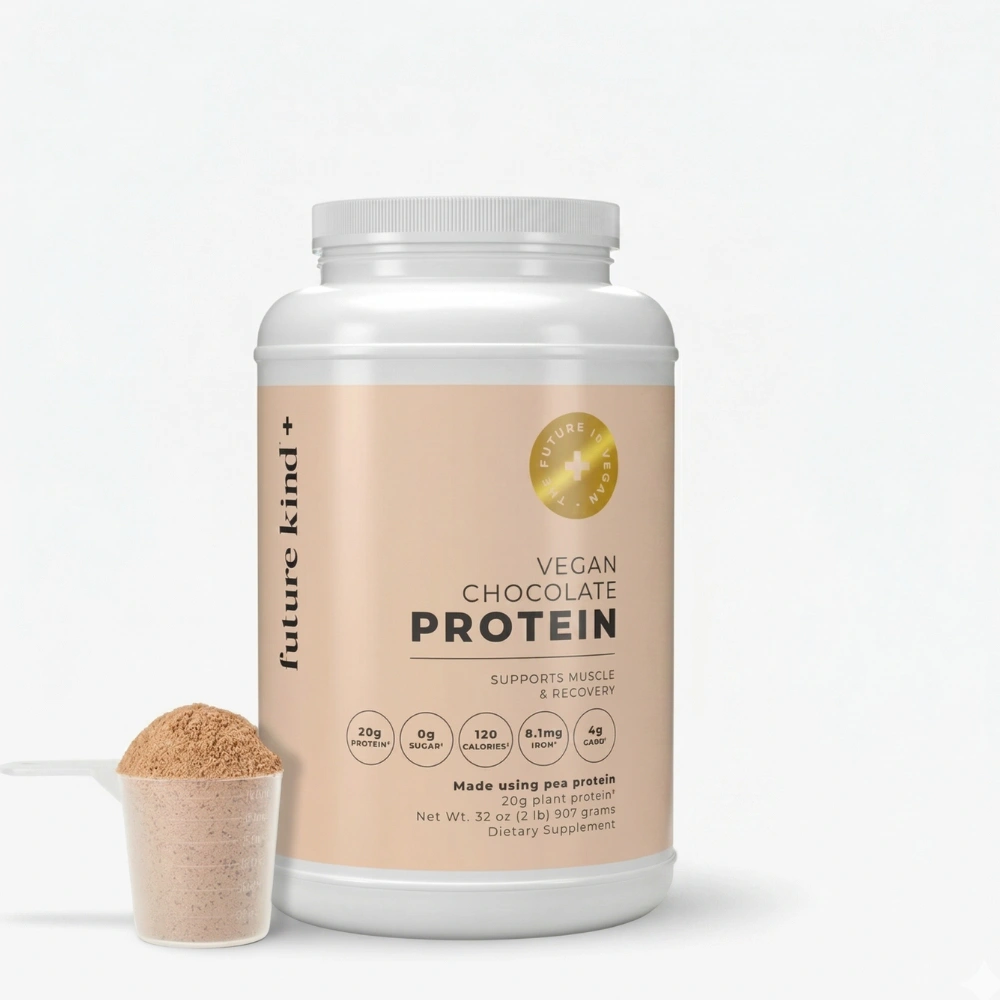
Best for: Clean nutrition + added nutritional density
- Protein source: Pea + hemp — a smart, complementary blend
- Protein per serving: 20g
- Omega-3 content: Hemp adds plant-based ALA omega-3 fatty acids, giving this powder a nutritional edge beyond protein alone
- Fiber: Higher fiber than most powders — supports satiety and digestive regularity
- Clean-label formula: No fillers or artificial sweeteners
- Limitation: Same allergen facility warning as the vanilla variant
The pea-hemp combo makes this one of the more nutritionally complete options here. You’re getting protein, healthy fats, and fiber in one product — which is a nutritionally meaningful difference if you’re using it as a genuine meal supplement rather than just a post-workout hit.
Quick Comparison: Which One Is Right for You?
| Product | Protein | Source | Best For | Key Benefit |
|---|---|---|---|---|
| THE Plant Protein MyProtein | 25g | Pea, Pumpkin, Watermelon | Gut Support | Enzymes + probiotics |
| Pea Protein Isolate MyProtein | 21g | Pea | Sensitive Stomach | Simple, easy digestion |
| Soy Protein Isolate MyProtein | 26g | Soy | Muscle Gain | Complete protein |
| Vegan Protein Blend MyProtein | 27g | Pea + Rice | Performance | High protein + BCAAs |
| Future Kind Vanilla | 20g | Organic Pea | Clean Nutrition | Organic + no additives |
| Future Kind Chocolate | 20g | Pea + Hemp | Nutrition Boost | Omega-3 + fiber |
Which option fits your needs? Use the simple guide below to choose the right protein powder based on your digestion, fitness goals, and ingredient preferences.
How to Choose the Right Dairy-Free Gluten-Free Protein Powder
Choosing the best dairy-free, gluten-free protein powder is not about picking the one with the highest protein content. It’s about finding a product that fits your digestion, lifestyle, and daily routine.
Here’s a simple way to decide:
Choose Pea Protein (Best for Sensitive Stomach)
If you’ve experienced bloating or discomfort with protein powders before, this is the best place to start.
- Simple ingredient profile
- Easier to digest for most people
- Works well during elimination diets
This is usually the safest starting point if you’re unsure what your body tolerates.
Choose Soy Protein (Best for Muscle Building)
If your goal is strength, recovery, or muscle gain:
- Complete protein with all essential amino acids
- Higher protein content per serving
- Well-supported in plant-based sports nutrition
Ideal for workouts and high-protein diets, but only if you tolerate soy well.
Choose Protein Blends (Best for Performance and Balance)
Blended proteins, such as pea and rice, offer a more balanced nutritional profile.
- Better amino acid coverage
- Often includes BCAAs for recovery
- Suitable for daily use or post-workout
A good choice if you want both performance support and everyday nutrition.
Choose Organic or Clean Protein (Best for Clean Eating)
If ingredient quality is your priority:
- Organic and non-GMO options
- No artificial additives or fillers
- Often easier on digestion
Best suited for long-term use and clean eating habits.
Quick Tip
Before choosing any protein powder, check:
- Ingredient list (shorter is usually better)
- Sweeteners (avoid sugar alcohols if you are sensitive)
- Allergen information, especially for gluten cross-contamination
Best Vegan Protein Powder for a Sensitive Stomach
If digestion is your main concern, the most effective approach is to keep things simple.
Protein powders can cause discomfort for a few common reasons:
- Artificial sweeteners
- Complex ingredient blends
- Low-quality fillers
That’s why many people prefer single-source proteins like pea isolate to blended formulas.
What Supports Better Digestion
- Simple formulas with fewer ingredients
- Digestive enzymes that help break down protein
- No sugar alcohols, which can cause bloating
- Gradual intake, starting with smaller servings
If you’ve had issues before, start with a small serving and increase gradually over a few days.
Best Vegan Protein Powder for Digestion
When choosing a vegan protein powder for digestion, it comes down to how your body responds to different protein sources.
Quick Comparison
- Pea Protein
Generally, the easiest to digest, with minimal ingredients and a lower risk of irritation - Soy Protein
Efficient for muscle building, but not suitable for everyone - Protein Blends (Pea + Rice)
Provides more complete nutrition, but may feel heavier for some users
There is no single best option for everyone; digestion varies from person to person.
For more on digestion-friendly meal planning, see our vegan protein powder recipes — all designed to be gut-friendly and easy to batch.
Which Vegan Protein Powder is Easiest to Digest?
For most people, pea protein isolate is the easiest place to start.
It works well because:
- It contains a single protein source
- It avoids complex blends
- It is consistently well-tolerated
If you prefer a more complete formula, a blend with added enzymes or probiotics may work better over time.
The key is to choose a protein powder that matches your tolerance, not just the label.
Looking for ways to use these powders beyond shakes? See our high-protein vegan meal prep for weight loss guide — several of those recipes work perfectly with any powder in this list.
Practical Tip
No matter which protein powder you choose:
- Mix it with more liquid to improve digestion
- Avoid adding too many ingredients at once
- Use it consistently for a few days before switching
Small adjustments can make a noticeable difference in how your body responds.
Frequently Asked Questions
Is pea protein really dairy-free and gluten-free?
Yes — pea protein is naturally free from dairy and gluten. The main risk is cross-contamination: if a product is made in a shared facility, cross-contamination is possible. Always read the allergen statement on the label, especially if you have celiac disease.
Can I get enough protein from plant-based powders alone?
A protein powder is a supplement, not a replacement for whole food protein sources. Used alongside lentils, beans, tofu, tempeh, and seeds, you absolutely can meet daily protein goals on a fully plant-based diet. The NIH Office of Dietary Supplements has solid resources on protein requirements if you want to dig into the numbers.
What about bloating from protein powders?
Bloating is usually caused by one of three things: sugar alcohols (especially sorbitol or erythritol), low-quality fillers, or a protein source your gut isn’t used to. The picks in this list are specifically chosen to minimize those variables. If you’re new to plant protein, start with a smaller serving and build up over a week or two.
Are these products suitable for people with celiac disease?
None of the products in this list is certified gluten-free unless explicitly labeled as such. If you have celiac disease, contact each brand directly to confirm their manufacturing protocols before purchasing. Don’t rely on ‘gluten-free ingredients’ alone — facility cross-contamination is the real risk.
Is soy protein safe on a gluten-free diet?
Soy itself contains no gluten. However, soy crops are sometimes grown near or processed alongside wheat, which creates a contamination risk. The same shared-facility caution applies. For those without celiac concerns, soy protein isolate is a legitimate, high-quality plant protein option.
Best Choice Based on Your Goal
- For sensitive stomach: Pea Protein Isolate – simple formula, easier to digest
- For muscle building: Soy Protein Isolate – complete protein with high protein content
- For overall balance: THE Plant Protein – combines multiple sources with digestive support
- For a clean, organic lifestyle: Future Kind – minimal ingredients and clean-label formula
Choosing based on your personal goal will always give better results than simply picking the highest protein number on the label.
Final Thoughts
The best dairy-free gluten-free protein powder in 2026 isn’t a single product — it depends on your specific situation. Sensitive stomach? Start with the Pea Protein Isolate. Want complete amino coverage with gut support built in? THE Plant Protein is the smarter choice. Prioritize clean organic nutrition? Future Kind delivers that without compromise.
Every product in this list was chosen because it actually does what it says on the label—no proprietary blends hiding low-quality ingredients, no claims that go beyond what the formula supports.
Read the allergen statements carefully, check for certified labeling if you have celiac disease, and use the comparison table above to match your priorities to the right pick.
Disclosure: This post contains affiliate links. If you purchase through our links, we may earn a small commission at no extra cost to you. We only recommend products that meet our quality standards.