
Last Updated on May 4, 2026 by dhruwuttam58
Introduction
Meeting your protein needs on a vegan diet can take planning. Whole foods like lentils and tofu help, but consistency is the challenge.
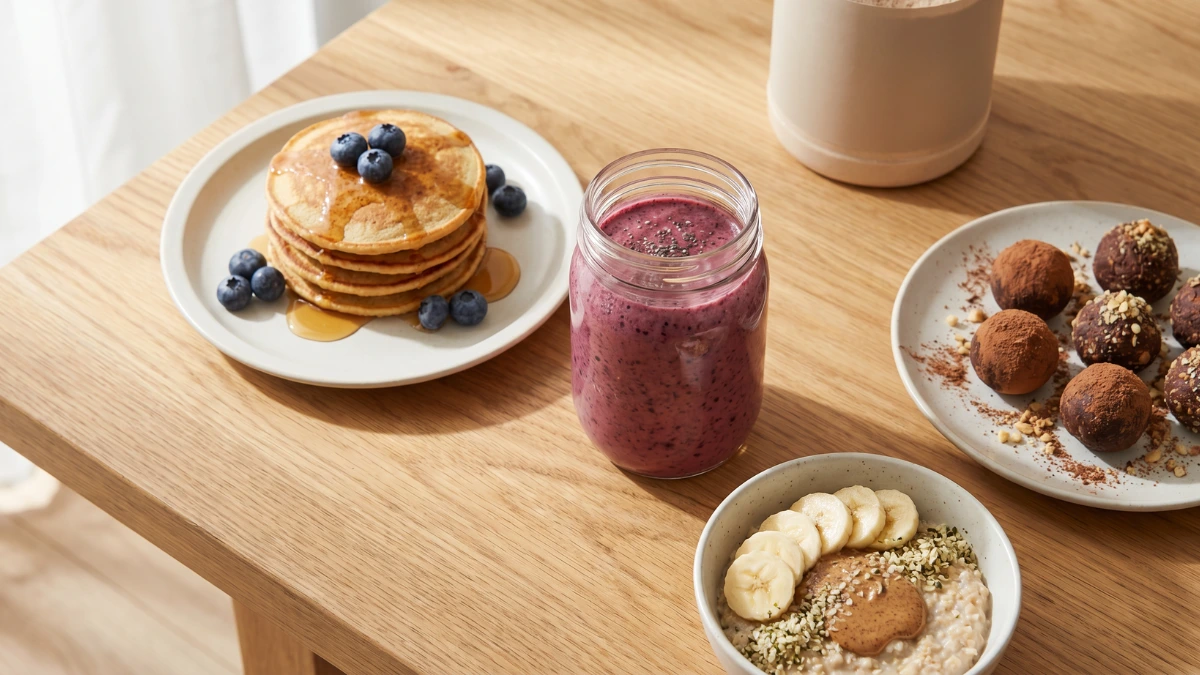
That’s where protein powder becomes especially practical. It blends easily into everyday meals — not just shakes, but oats, pancakes, soups, and snacks.
This guide covers simple, tested vegan protein powder recipes for every meal, along with tips to choose the right powder. If you’re also working out how to meet your protein needs from whole foods, check out this guide on how to get protein on a vegan diet — it pairs well with everything here.
Table of Contents
Why Use Vegan Protein Powder in Recipes?
Easy Way to Boost Daily Protein
Adding a single scoop of protein powder to a smoothie or bowl can add 20–25 grams of protein in under a minute. That’s the equivalent of three large eggs or a 100g serving of chicken — without any animal products. For people who train, have higher protein needs, or struggle to eat enough by volume, it’s a practical shortcut.
Supports Muscle, Energy & Recovery
Protein is the raw material your body uses to repair and build muscle after exercise. Plant-based protein powders — when they include a complete amino acid profile — support recovery just as effectively as whey in most research scenarios. They also help stabilise blood sugar between meals, which keeps energy levels more even throughout the day.
Works for Weight Loss & Meal Prep
High-protein meals are more satiating. That means you stay full longer, snack less, and consume fewer calories without deliberately restricting yourself. Protein powder works in smoothies, oats, pancakes, soups, and desserts — making it one of the easiest ways to increase protein intake without changing your diet.
If you want full meal prep plans built around these principles, our vegan meal prep for weight loss guide offers 10 high-protein weekly prep ideas ready to go.
Choosing the Right Vegan Protein Powder
Pea vs Soy vs Blends
Pea protein is currently the most popular pick — it’s naturally gluten-free, easy to digest, and works well in both sweet and savoury recipes without a strong aftertaste. Soy protein isolate has a more complete amino acid profile and tends to blend more smoothly, making it suitable for shakes and baking. Blends — combining pea, rice, and hemp, for example — aim to give you the best of multiple sources.
What to Look For
- At least 20g of protein per serving
- Low sugar (under 5g per serving)
- Certified vegan and ideally gluten-free
- Minimal additives and artificial sweeteners
- Third-party tested, if possible
Recommended Vegan Protein Powders
For a deeper look at options across different budgets and needs, this roundup of the best dairy-free gluten-free protein powders covers a solid range. The following are six products that work well across the recipes in this guide:
1. MYPROTEIN – THE Plant Protein(Best All-Rounder)
A balanced blend that works across smoothies, oats, pancakes, and even baking. The texture is smooth, and the flavour is mild enough for daily use.
👉 Best for: Smoothies, breakfast bowls, general use
👉 Protein per serving: ~20g+
→ Check current price and flavour options
2. MYPROTEIN – Pea Protein Isolate(Best for Cooking & Savoury Recipes)
Unflavoured and neutral, this is the easiest option for soups, oats, and meal prep without affecting taste.
👉 Best for: Soups, meal prep, savoury recipes
👉 Why it stands out: No sweetness, clean ingredient profile
→ View product details if you’re using it for cooking
3. MYPROTEIN – Soy Protein Isolate(Best Texture for Smooth Blends)
Smoother than pea protein and more neutral than many blends, making it a strong option for shakes and high-protein baking.
👉 Best for: Shakes, pancakes, baked recipes
👉 Texture: Smooth, less gritty than most plant proteins
→ See full product information and availability
4. MYPROTEIN – Vegan Protein Blend(Best Amino Acid Balance)
A mix of plant proteins designed to improve amino acid coverage while maintaining decent taste and usability.
👉 Best for: Balanced nutrition across all recipes
👉 Good choice if you want: One powder for everything
→ Explore this option for a balanced blend
5. Future Kind – Vanilla Vegan Protein(Best Natural Taste)
Naturally sweetened with cleaner ingredients. Works especially well in smoothies and sweet recipes without an artificial aftertaste.
👉 Best for: Smoothies, oatmeal, desserts
👉 Taste profile: Light, natural vanilla
→ Check flavour and ingredient details
6. Future Kind – Chocolate Vegan Protein(Best for Dessert-Style Recipes)
A richer option that works well for shakes, mug cakes, and energy balls. Good if you prefer a stronger flavour without artificial sweetness.
👉 Best for: Chocolate shakes, desserts, snacks
👉 Texture: Creamy when blended
→ View product details for dessert-style recipes
Some links above are affiliate links. We only recommend products we believe offer real value. If you make a purchase, we may earn a small commission at no extra cost to you.
Vegan Protein Smoothie Recipes (Breakfast Boosters)
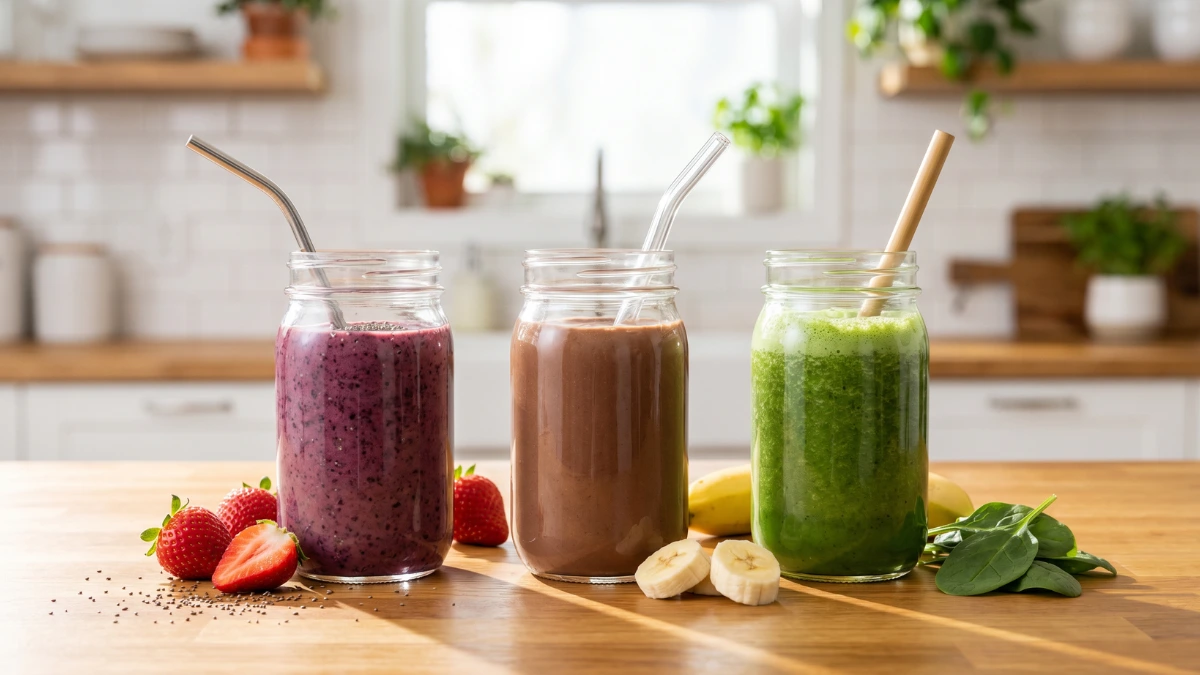
Smoothies are the fastest entry point for vegan protein powder recipes. These three take under five minutes and cover different nutritional goals.
1. Berry Banana Protein Smoothie
Ingredients:
- 1 scoop MYPROTEIN THE Plant Protein (vanilla or unflavoured)
- 1 medium banana
- 1 cup mixed frozen berries
- 1 cup unsweetened almond milk
- 1 tbsp chia seeds
- Handful of spinach (optional)
Method: Add all ingredients to a blender. Blend on high for 45 seconds until completely smooth. Adjust thickness with extra milk or ice. Serve immediately.
Protein per serving: ~25g
This smoothie is a strong pick for post-workout mornings. The banana adds natural carbohydrates for glycogen recovery, while the berries bring antioxidants.
2. Chocolate Peanut Butter Protein Shake
Ingredients:
- 1 scoop Future Kind Chocolate protein
- 2 tbsp natural peanut butter
- 1 cup oat milk
- 1 frozen banana
- pinch of sea salt
- ice cubes
Method: Combine all ingredients in a blender. Blend until thick and creamy. The frozen banana replaces the need for added sugar — don’t skip it.
Protein per serving: ~30g
This one doubles as a meal replacement. It’s calorie-dense in a good way and keeps hunger away for several hours. It’s especially useful for people prone to mid-morning snacking.
3. Green Detox Protein Smoothie
Ingredients:
- 1 scoop MYPROTEIN Pea Protein Isolate (unflavoured)
- 1 cup baby spinach
- ½ cucumber
- 1 green apple, chopped
- juice of ½ lemon
- 1 tsp ginger
- 200 ml coconut water
Method: Blend spinach, cucumber, apple, ginger, and lemon juice first until smooth. Add protein powder and coconut water, then briefly blend again.
Protein per serving: ~22g
This protein recipe is a lighter option — more suited for days when you want something clean and refreshing rather than filling. Unflavoured pea protein works best here because it doesn’t clash with the green flavours.
If you enjoy raw, whole-food approaches to plant-based eating, you might find some raw vegan recipe ideas worth exploring — a good companion to these smoothie recipes.
High Protein Vegan Meal Prep Recipes (Lunch & Dinner)
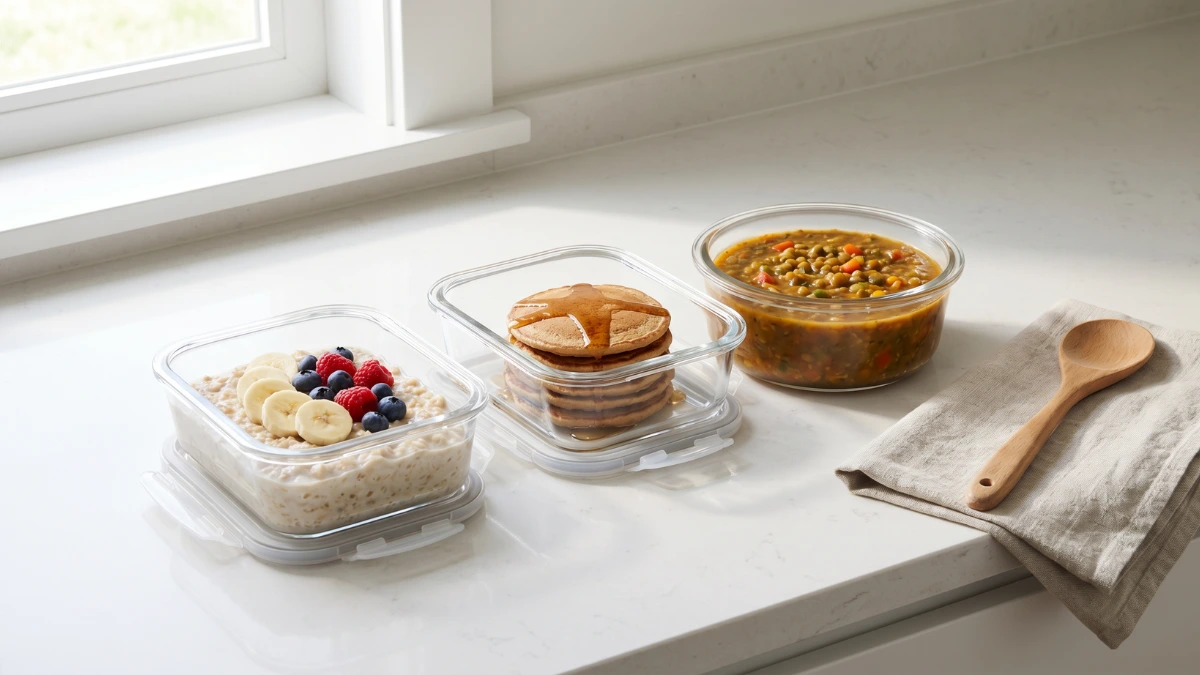
These recipes are built for batch cooking. Make a large quantity on Sunday, and you’ve got protein-packed meals ready for the week.
These recipes also work well within a structured vegan meal prep for weight loss plan, especially if you’re aiming to stay consistent with your calorie and protein intake.
1. Protein Oatmeal Bowl
Ingredients (1 serving):
- ½ cup rolled oats
- 1 scoop Future Kind Vanilla protein
- 1 cup plant milk
- 1 tbsp almond butter
- ½ banana, sliced
- 1 tsp cinnamon
- handful of blueberries
Method: Cook oats in plant milk over medium heat, stirring for 4–5 minutes. Remove from heat. Stir in protein powder immediately — off the heat prevents clumping. Top with banana, almond butter, blueberries, and cinnamon.
Protein per serving: ~28g
For meal prep: cook a large batch of plain oats, refrigerate, and stir in protein powder when reheating each portion. Toppings stay fresh when stored separately.
2. Vegan Protein Pancakes
Ingredients (makes 6–8 pancakes):
- 1 cup oat flour
- 1 scoop MYPROTEIN Vegan Protein Blend (vanilla)
- 1 tbsp flaxseed + 3 tbsp water (flax egg)
- 1 cup oat milk
- 1 tsp baking powder
- 1 tsp vanilla extract
- pinch of salt
Method: Mix flaxseed with water and let sit for 5 minutes. Combine dry ingredients in a bowl. Add oat milk, vanilla, and flax egg — mix until just combined (lumps are fine). Cook in a medium-heat non-stick pan, about 2 minutes per side. They’re done when bubbles form, and edges look set.
Protein per serving (3 pancakes): ~26g
These freeze well. Stack with baking paper between each pancake, freeze in a bag, and reheat in a toaster or pan from frozen. A batch makes 3–4 portions.
3. Savoury Protein Soup
Ingredients (4 servings):
- 2 scoops MYPROTEIN Pea Protein Isolate (unflavoured)
- 1 can chickpeas, drained
- 1 can diced tomatoes
- 1 large carrot, diced
- 2 stalks of celery
- 1 onion, diced
- 3 garlic cloves
- 1 litre vegetable stock
- 1 tsp cumin
- 1 tsp turmeric
- salt and pepper
Method: Sauté onion, garlic, carrot, and celery in a pot over medium heat for 5 minutes. Add spices and cook for 1 minute. Add tomatoes, chickpeas, and stock. Simmer for 20 minutes. Remove from heat, let cool slightly, then whisk in protein powder off the heat — this prevents it from clumping or becoming chalky.
Protein per serving: ~32g
Unflavoured pea protein is essential here. Any flavoured powder will conflict with the savoury base. This soup stores well in the fridge for 4 days and freezes for up to 3 months.
For more ideas along these lines, the collection of high-protein vegan recipes has plenty of variety for both meal prep and everyday cooking.
Vegan Protein Snacks & Desserts
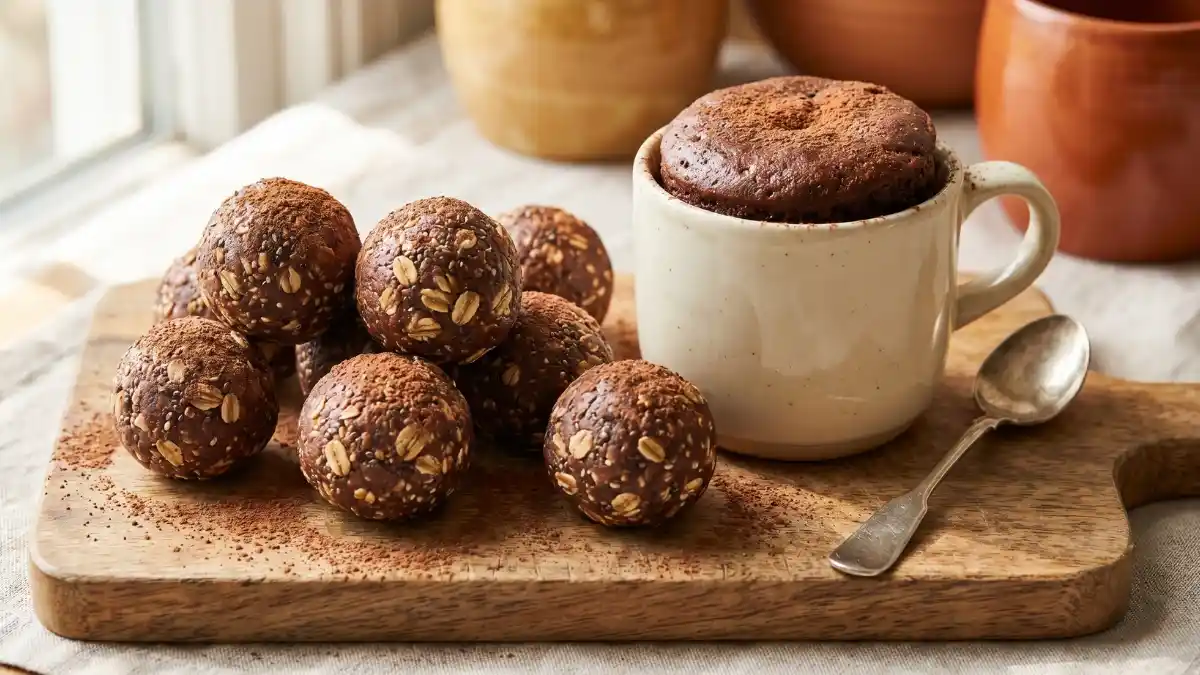
These two recipes address the late-afternoon energy slump without reaching for processed foods.
1. No-Bake Protein Energy Balls
Ingredients (makes ~14 balls):
- 1 cup rolled oats
- 1 scoop Future Kind Chocolate protein
- ⅓ cup natural peanut butter
- 3 tbsp maple syrup
- 2 tbsp cacao nibs
- 1 tsp vanilla extract
Method: Mix all ingredients in a bowl until combined. If the mixture is too dry, add a teaspoon of water or extra maple syrup. Roll into balls (about 1 tbsp each). Refrigerate for 30 minutes before eating. Store in an airtight container in the fridge for up to a week.
Protein per 2 balls: ~10g
These work well as a pre-workout snack or mid-afternoon fix. The oats and nut butter provide sustained energy alongside the protein hit.
2. Vegan Chocolate Protein Mug Cake
Ingredients (1 serving):
- 3 tbsp oat flour
- 1 scoop Future Kind Chocolate protein
- 1 tbsp cacao powder
- 1 tbsp coconut oil, melted
- 3 tbsp oat milk
- 1 tbsp maple syrup
- ½ tsp baking powder
Method: Mix all dry ingredients in a large mug. Add wet ingredients and stir until smooth. Microwave on high for 60–90 seconds — start checking at 60 seconds. The top should look set but slightly moist. It firms up as it cools.
Protein per serving: ~24g
This protein mug cake is genuinely one of the better quick desserts in plant-based cooking. It satisfies a chocolate craving without compromising on protein. Add a tablespoon of peanut butter on top once cooked.
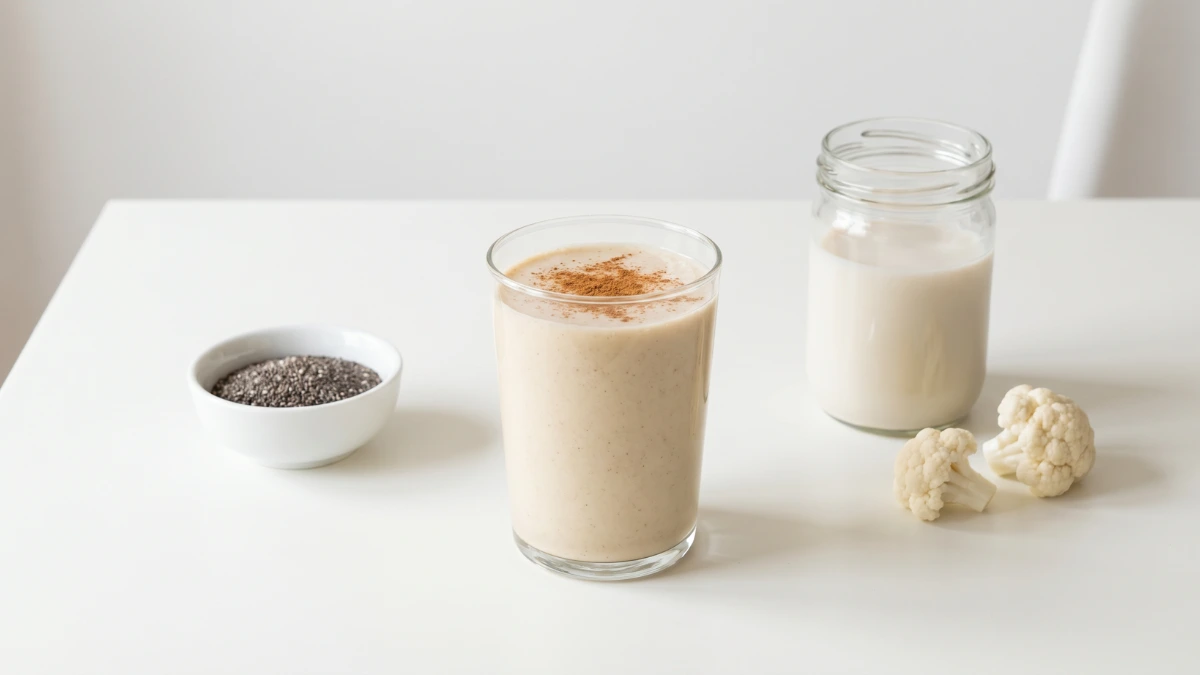
Vegan Protein Shakes for Weight Loss
For weight loss, the aim is a shake that’s high in protein, moderate in calories, and satisfying enough to replace a meal without leaving you hungry an hour later.
Quick Weight Loss Protein Shake
Ingredients:
- 1 scoop MYPROTEIN THE Plant Protein (chocolate or vanilla)
- 200ml unsweetened almond milk
- ½ cup frozen cauliflower (frozen—not detectable in flavour)
- 1 tbsp flaxseeds
- ½ tsp cinnamon
- ice
Method: Blend all ingredients until smooth. The frozen cauliflower adds creaminess and volume without significant calories — it genuinely disappears in the flavour once blended.
Calories: ~220 kcal | Protein: ~25g
The key to using shakes for weight loss is treating them as a structured meal replacement rather than an add-on. A shake alongside a full meal defeats the purpose.
For research-backed guidance on plant-based protein sources, Harvard’s Nutrition Source provides detailed guidance on how much protein you actually need.
Pro Tips for Using Vegan Protein Powder
- Add protein powder after removing food from the heat — cooking it can degrade the protein and affect the texture.
- Start with half a scoop in savoury recipes until you’re used to the flavour.
- Unflavoured pea protein is the most kitchen-friendly option for non-sweet dishes.
- Sift protein powder into batter to avoid lumps.
- If you’re exploring a wider variety of plant-based protein powder recipes, the plant-based protein powder recipes guide has some great starting points for beginners.
Common Mistakes to Avoid
- Using flavoured powder in savoury dishes — the sweetness clashes badly.
- Adding protein powder to boiling liquid — always stir it off the heat.
- Overdoing the portion size — more powder doesn’t mean better texture or results.
- Ignoring the ingredients list — some powders contain fillers or sweeteners that work against your goals.
- Skipping whole food protein sources entirely — powder supplements your diet, it doesn’t replace it.
If your shake tastes bad, it’s usually the protein powder—not the recipe.
FAQ
Can I cook with vegan protein powder?
Yes, but with some care. Heat can denature proteins, altering texture and slightly affecting nutritional value. It’s still safe and still nutritious — but for best results, stir it in at the end of cooking rather than baking it from scratch in high-heat recipes.
Which vegan protein is best for recipes?
Pea protein isolate is the most versatile for cooking and meal prep. It has a mild flavour, mixes well, and doesn’t dramatically change the texture of food. For smoothies, blends (MYPROTEIN Vegan Protein Blend or Future Kind) often taste better and have a fuller amino acid profile.
Are vegan protein recipes good for weight loss?
They can be a useful tool. High-protein meals tend to reduce hunger and support muscle maintenance during a calorie deficit. That said, protein powder isn’t a weight loss product on its own — total calorie intake and food quality still matter most.
How much protein powder should I use daily?
One to two scoops per day is a reasonable amount for most people. Protein needs vary based on body weight, activity level, and goals — but most adults do well with 0.8–1.2g of protein per kilogram of body weight. Whole food sources should always make up the bulk of your protein intake.
Conclusion
Vegan protein powder makes hitting protein goals easier, without complicating your routine.
Start simple — smoothies first, then move to pancakes and snacks. Once you get comfortable, even savoury recipes become easy to manage.