
Last Updated on May 4, 2026 by dhruwuttam58
Introduction
Finding a reliable gluten-free dairy-free protein option shouldn’t feel like decoding ingredient labels every time you shop. The real challenge isn’t just avoiding wheat or milk—it’s choosing something that actually fits your digestion routine and daily nutrition without second-guessing.
For many people, especially those dealing with gluten sensitivity or dairy intolerance, the issue extends beyond ingredients. Cross-contact during processing, hidden additives, and overly complex formulas can turn a “clean” product into something your body doesn’t tolerate well.
This guide keeps things practical and focused. You’ll learn how to build protein intake from real foods, when to use supplements, and how to choose the right option based on your goals—whether that’s digestion, muscle support, or overall nutrition.
Table of Contents
Quick Answer: Best Gluten-Free Dairy-Free Protein
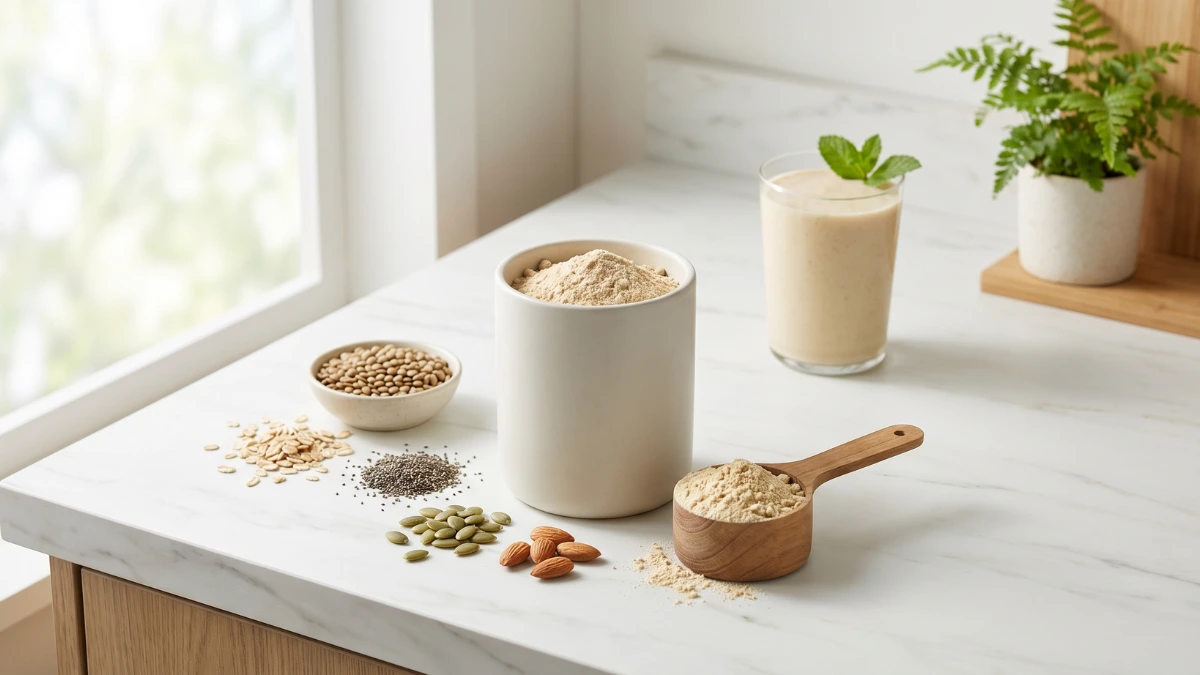
Short answer: The best gluten-free dairy-free protein comes from whole foods and plant-based protein powders.
Focus on foods like lentils, tofu, quinoa, and seeds, then use protein powder when you need convenience or extra protein support.
- Whole foods → better nutrition & satiety
- Protein powders → convenience & recovery
- The right choice depends on your digestion and routine
👉 Choose based on your goal — digestion, muscle recovery, or clean ingredients.
Gluten Cross-Contamination Warning
Just because a product is labeled “plant-based” or “vegan” doesn’t mean it’s gluten-free. Protein powders are processed in facilities that also handle wheat, barley, or rye.
If you have celiac disease or non-celiac food sensitivities, look specifically for the “Certified Gluten-Free” seal—not just “gluten-free” in the marketing copy.
Oats are another common trap: they’re naturally gluten-free but are frequently contaminated during processing. Always read the full ingredient label, not just the front end of the package.
Why Trust This Guide?
This guide follows a simple principle: food first, supplements second, and digestion always. The recommendations focus on ingredient quality, real-world usability, and how your body actually responds—not just marketing claims or protein numbers on the label.
For additional context on plant-based nutrition and protein quality, you can refer to resources like the Harvard T.H. Chan School of Public Health.
Types of Gluten-Free Dairy-Free Protein
Whole Food Protein Sources
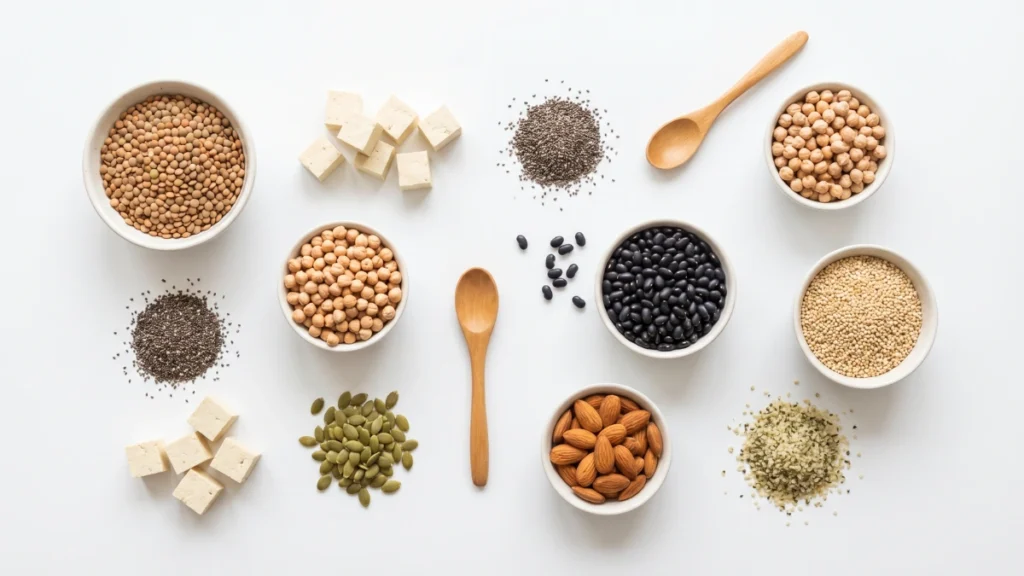
Whole foods should form the base of your protein intake. They provide not just protein, but also fiber, minerals, and better satiety.
Common options include:
- Lentils and beans
- Chickpeas
- Tofu and tempeh
- Quinoa
- Seeds and nuts
If you’re looking for a complete breakdown of how to structure meals, you can also see our guide on how to get protein when gluten and dairy-free.
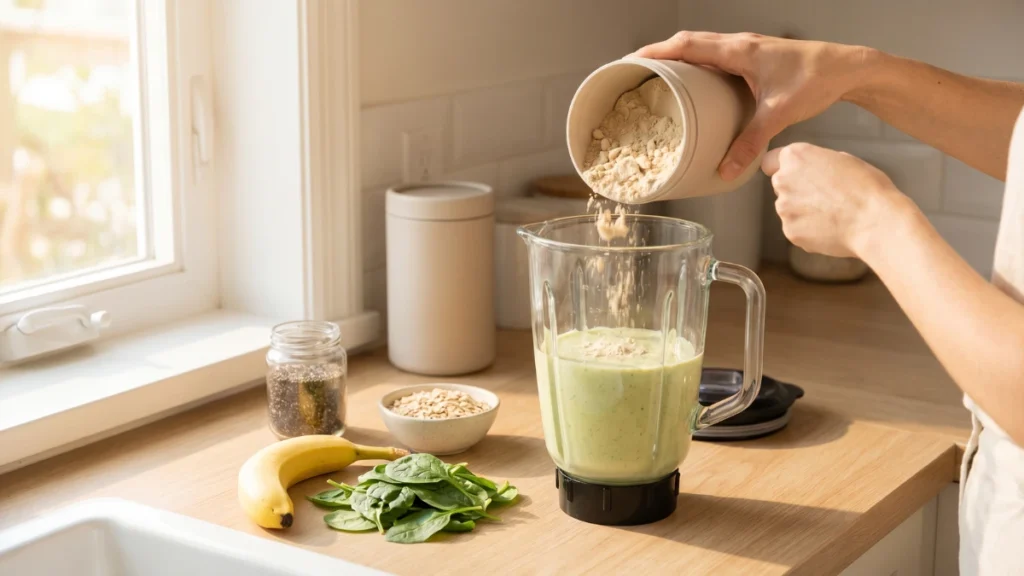
Plant-Based Protein Powders
Protein powders are useful when:
- You’re short on time
- You need post-workout recovery
- You struggle to meet daily protein targets
They’re not essential, but they make consistency easier, especially for busy routines.
For a detailed breakdown of options, see our full guide on the best dairy-free gluten-free protein powder.
Ready-to-Use Options
These include:
- Smoothies
- Meal replacement shakes
- Pre-prepared plant protein foods
They offer convenience but often include added ingredients. Simpler formulas are usually easier on digestion.
Gluten-Free Dairy-Free Protein Sources List
Here’s a practical list you can actually use daily:
- Lentils
- Chickpeas
- Black beans
- Kidney beans
- Tofu
- Tempeh
- Edamame
- Quinoa
- Hemp seeds
- Chia seeds
- Pumpkin seeds
- Almonds
- Peanut butter
- Brown rice
- Buckwheat
- Certified gluten-free oats
- Sunflower seeds
- Soy milk
- Pea-based foods
This gluten-free dairy-free protein sources list works because it’s flexible. You can build meals, snacks, and smoothies without relying entirely on supplements.
Best Plant-Based Protein Without Dairy or Gluten
For Digestion
Pea protein isolate consistently comes out on top here. It’s low in FODMAPs, easy on the stomach, and doesn’t cause the bloating that some soy-heavy blends do.
Among whole foods, cooked lentils and tempeh are gentler than raw beans because the cooking process (or fermentation, in tempeh’s case) breaks down some of the complex starches that cause gas.
For Muscle Gain
You need leucine—it’s the amino acid that directly triggers muscle protein synthesis. Soy protein isolate has one of the highest leucine concentrations among plant sources, which is why it remains the go-to for plant-based athletes.
Edamame and tempeh are solid whole-food options if you prefer to avoid powders. Aim for 1.6–2.2g of protein per kilogram of bodyweight per day if muscle growth is the goal, spread across meals.
For Daily Nutrition
Balance matters more than protein numbers here. Quinoa, hemp seeds, and a varied legume rotation provide protein, as well as iron, zinc, magnesium, and essential fatty acids.
A multi-source protein blend rounds out amino acid gaps that single-source powders can leave.
For Clean Eating
Clean can mean different things depending on your priorities, but if you’re prioritizing organic, minimal ingredients, and avoiding artificial sweeteners and fillers, look for certified organic plant protein.
Fewer than five ingredients on the label is a reasonable filter. Whole foods always win here by default.
Recommended Gluten-Free Dairy-Free Protein Powders
These are quick recommendations. For detailed reviews, see our full protein powder guide.
THE Plant Protein – MyProtein
- Multi-source formula designed for balanced daily nutrition.
- Good amino acid coverage without relying on a single protein base.
Pea Protein Isolate – MyProtein
- Single-ingredient isolate—ideal if you want simple and clean.
- Easy on the gut; works well for people with sensitive stomachs or soy sensitivity.
Soy Protein Isolate – MyProtein
- High-leucine complete protein—strong choice for anyone focused on muscle building.
- One of the most studied plant proteins for athletic performance.
Vegan Protein Blend – MyProtein
- Combines multiple plant protein sources to provide a broader amino acid profile.
- Better suited for performance and recovery than single-source options.
Future Kind Organic Protein (Vanilla)
- Certified organic with a short, clean ingredient list and no artificial sweeteners.
- Good pick for anyone prioritizing organic sourcing above all else.
Future Kind Organic Protein (Chocolate)
- Same organic base as the Vanilla, with added superfoods and adaptogens.
- Useful if you want extra nutritional support built into your protein shake.
Quick Comparison Table
| Product | Protein | Source | Best For | Key Benefit |
|---|---|---|---|---|
| THE Plant Protein MyProtein | 25g | Pea, Pumpkin, Watermelon | Gut Support | Enzymes + probiotics |
| Pea Protein Isolate MyProtein | 21g | Pea | Sensitive Stomach | Simple, easy digestion |
| Soy Protein Isolate MyProtein | 26g | Soy | Muscle Gain | Complete protein |
| Vegan Protein Blend MyProtein | 27g | Pea + Rice | Performance | High protein + BCAAs |
| Future Kind Vanilla | 20g | Organic Pea | Clean Nutrition | Organic + no additives |
| Future Kind Chocolate | 20g | Pea + Hemp | Nutrition Boost | Omega-3 + fiber |
Want a Full Deep-Dive?
The quick table above gives you a starting point, but choosing the right protein powder depends on your digestion, goals, and taste preferences. For detailed ingredient breakdowns, third-party testing insights, and real usability comparisons, explore these guides:
Not Sure Which One to Choose?
If you are choosing a protein mainly for daily comfort, start with digestion first and performance second. If your stomach doesn’t tolerate a product, the macros don’t matter much, because you will not keep using it. That’s why the next two sections are more important than most shoppers realize.
How to Choose a Gluten-Free Dairy-Free Protein Powder
Start with the basics:
- Choose between a single-source protein or a blend
- Check the ingredient list (watch for additives)
- Confirm gluten-free certification if needed
- Pick a flavor you’ll actually use consistently
The best product is the one you’ll use regularly—not the one with the most claims.
Digestion and Protein: What Matters Most
Digestibility is often overlooked when choosing protein.
A few simple tips:
- Start with smaller servings
- Increase gradually
- Drink enough water
- Avoid stacking with heavy meals
If you have a sensitive stomach, simpler proteins tend to work better.
Best Choice Based on Your Goal
-
Best Overall (Balanced + Gut Support):
THE Plant Protein – MyProtein -
Best for Sensitive Stomach:
Pea Protein Isolate – MyProtein -
Best for Muscle Building:
Soy Protein Isolate – MyProtein -
Best for High Protein Intake:
Vegan Protein Blend – MyProtein -
Best Clean Organic Option:
Future Kind Organic Protein (Vanilla) -
Best for Added Nutrition (Omega + Fiber):
Future Kind Organic Protein (Chocolate)
Frequently Asked Questions
Can you get enough protein on a gluten-free dairy-free diet?
Yes, absolutely. Legumes, tofu, tempeh, edamame, quinoa, and seeds can all contribute meaningful protein. You don’t need dairy or meat to hit your daily protein targets—it just requires a bit more variety and intention than relying on a single source.
Is pea protein actually gluten-free?
Pea protein is naturally gluten-free. The concern is cross-contamination during manufacturing. Always check for a certified gluten-free label on the specific product you’re buying, not just the base ingredient.
What’s the easiest plant protein to digest?
Pea protein isolate is generally the easiest for most people. Rice protein is also very well tolerated. Both are low in the compounds that typically trigger digestive issues in higher-fiber plant proteins.
Are plant proteins as effective as whey for building muscle?
Research increasingly supports that plant proteins can be just as effective as whey when total protein intake and leucine are adequate. A 2023 review in the Journal of the International Society of Sports Nutrition found no significant difference in muscle gains when plant protein was consumed in sufficient quantities. The key is hitting your leucine threshold per meal.
How much protein do I need per day?
For general health, 0.8g per kilogram of body weight is the minimum. For muscle building or active lifestyles, 1.6–2.2g per kilogram is the more relevant range. Spread it across three to four meals for best absorption.
Conclusion
The simplest way to approach gluten-free dairy-free protein is to start with whole foods, then add a protein powder where it genuinely makes your routine easier.
There’s no single “best” option. The right choice depends on your digestion, your goals, and what you can consistently stick with over time.
Keep it simple, stay consistent, and choose what actually works for your body.
This article may contain affiliate links. We only recommend products we believe offer real value. If you make a purchase, we may earn a small commission at no extra cost to you.