
Last Updated on August 18, 2025 by dhruwuttam58
Introduction
Navigating both gluten free vegan lunch ideas and an anti-gluten diet can be challenging, making meal planning and preparation challenging and risky. Even what seems like an innocent plant-based lunch can quickly turn risky when hidden gluten sources and cross-contamination enter the equation. This comprehensive guide shows exactly where gluten hides within vegan foods, offers practical cross-contamination lunch tips, and equips you with tools to create 100% celiac safe vegan food lunches every time!
Celiac disease patients can react negatively to even trace amounts of gluten, and even trace amounts may trigger an autoimmune response that damages their small intestine. The challenge becomes even greater when combined with vegan eating because many plant-based proteins and processed foods contain hidden sources of gluten.
Table of Contents
Hidden Sources of Gluten in Vegan Foods
The Most Dangerous Gluten Traps
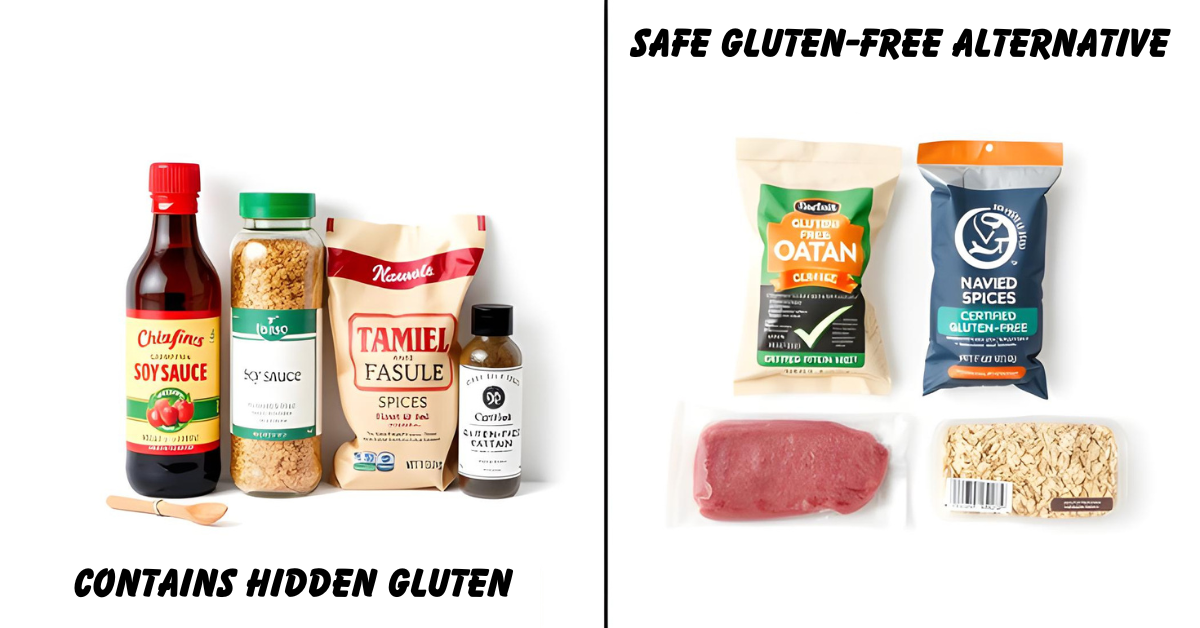
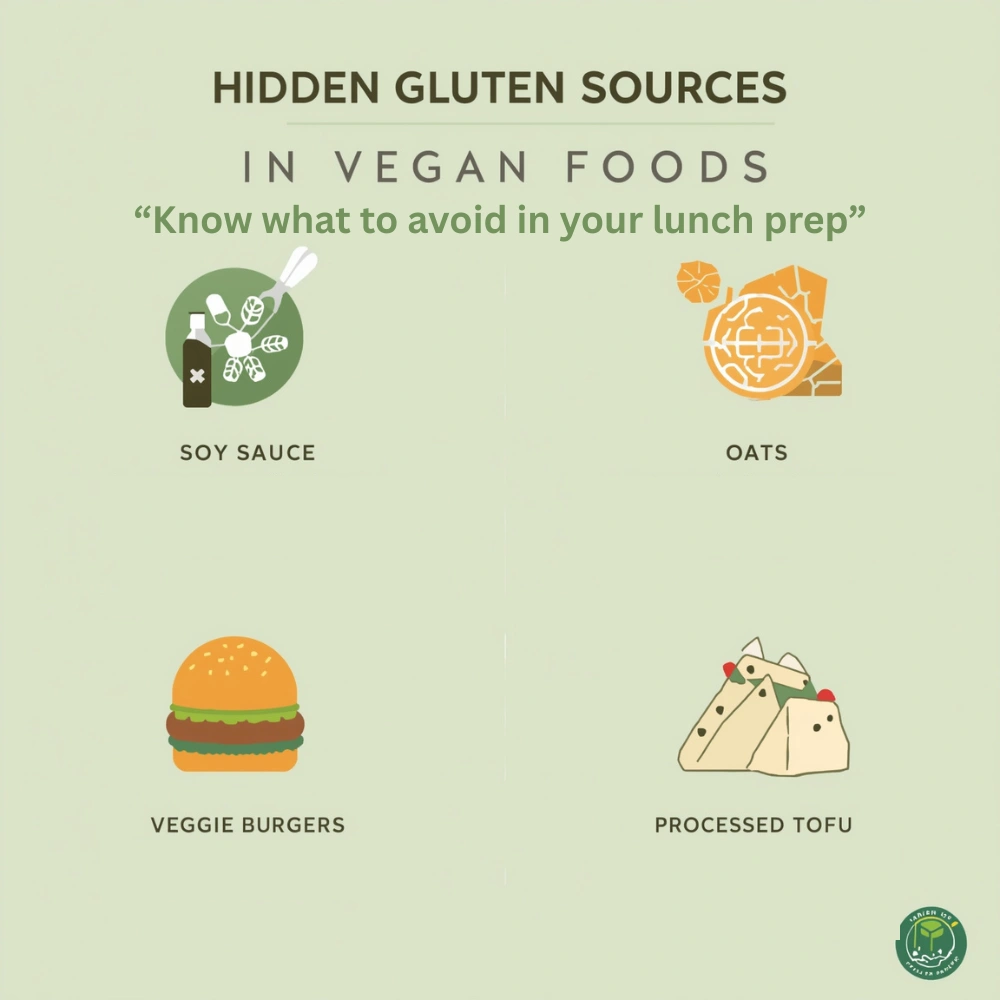
Soy-Based Products Are Potential Gluten Traps:
Traditional soy sauce contains fermented wheat, making it inaccessible for those avoiding gluten. Miso pastes are another culprit that contains wheat; additionally, flavored tofu products often incorporate seasonings or soy sauce in their marinades.
Vegan Meat Substitutes:
Many plant-based “meats” use seitan, or pure wheat gluten, as an ingredient. Burgers, sausages, and even slices from deli counters often rely on wheat gluten as an adhesive agent – even products labelled “vegan” may include vital wheat gluten for texture.
Oats and Oat Products:
Although naturally gluten-free, most commercial oats contain trace amounts of wheat, barley, or rye during processing unless specifically labelled certified gluten-free. This extends to oat milk, cereals made with oats, or granola that do not bear that certification.
Condiments and Sauces:
Salad dressings typically contain malt vinegar (made from barley) or thickeners derived from wheat-derived thickeners; many ketchup varieties utilize wheat-derived vinegar; barbecue sauces may include soy sauce or wheat flour, even seemingly safe condiments such as mustard may contain wheat.
Processed Snack Foods:
Potato chips may be prepared in oil that has been contaminated with gluten-containing foods. Seasoning blends on nuts or seeds often include wheat derivatives. Corn-based snacks also utilize malt flavoring derived from barley.
Cross-Contamination Lunch Tips for Maximum Safety
Kitchen Safety Protocols
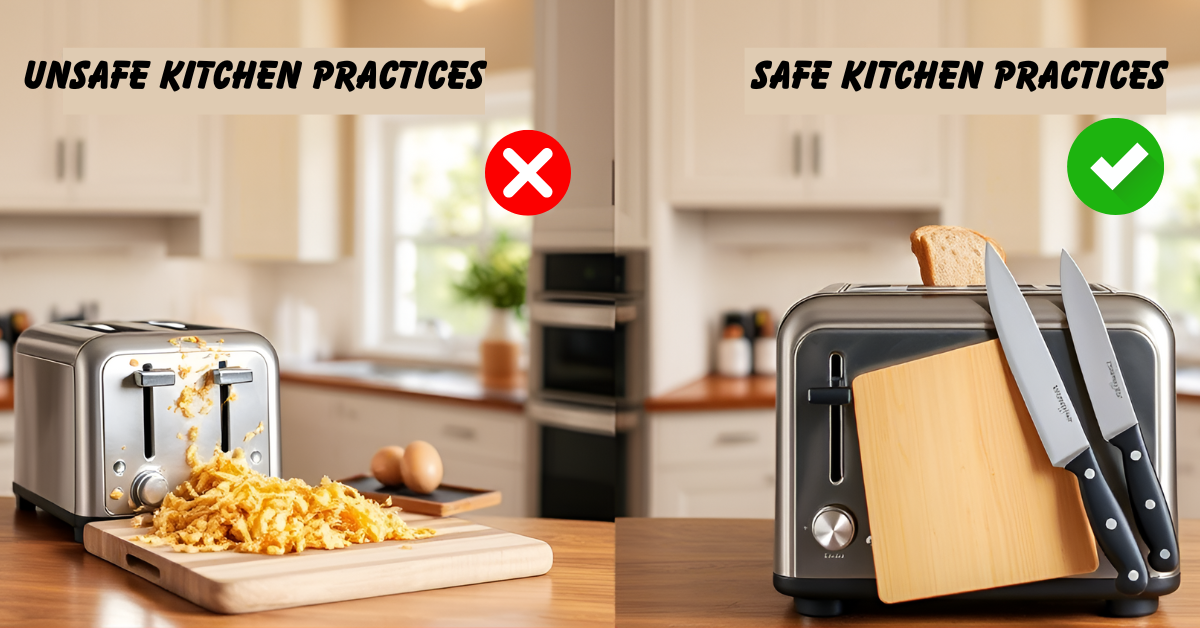
Designated Gluten-Free Zone:
A designated gluten-free zone will simplify and ensure the safety of gluten free lunch prep by containing separate cutting boards, utensils, and prep surfaces that do not come in contact with any products containing gluten.
The Flour Rule:
Wheat flour may remain airborne for 12-24 hours after its use, so if someone in your household has been baking with regular flour, wait at least 24 hours before preparing gluten-free products there to reduce contamination risk.
Separate Storage Systems:
When it comes to certified gluten-free items, store them separately in sealed containers clearly labelled for storage to prevent mix-ups and accidental contamination during hectic lunch-prep sessions. It helps avoid mishaps that might otherwise occur during busy lunch prep sessions.
Clean Everything Twice:
Before beginning to prepare gluten-free lunches, all surfaces must be meticulously washed down with soap and water for two passes to eliminate gluten contamination. As gluten is a protein rather than bacteria, physical removal via washing is vital.
Workplace and School Safety
Bring Your Everything for Workplace and School Safety:
When packing lunch in separate containers that don’t hold gluten-containing foods, be sure to include all necessary utensils from home and avoid sharing microwaves without first thoroughly cleaning them.
Beware of Shared Spaces:
Office kitchens present significant contamination risks. Toasters, cutting boards, and shared condiments pose potential threats. Bring along a “toaster bag” as an extra measure if necessary – though keep in mind these solutions won’t guarantee 100 per cent safety.
Communication Strategy:
Prepare simple cards explaining that your dietary needs are medical and that even small amounts of gluten can cause serious health concerns.
How to Select Gluten-Free Vegan Products
Understanding Certification Labels
Look for Official Certifications:
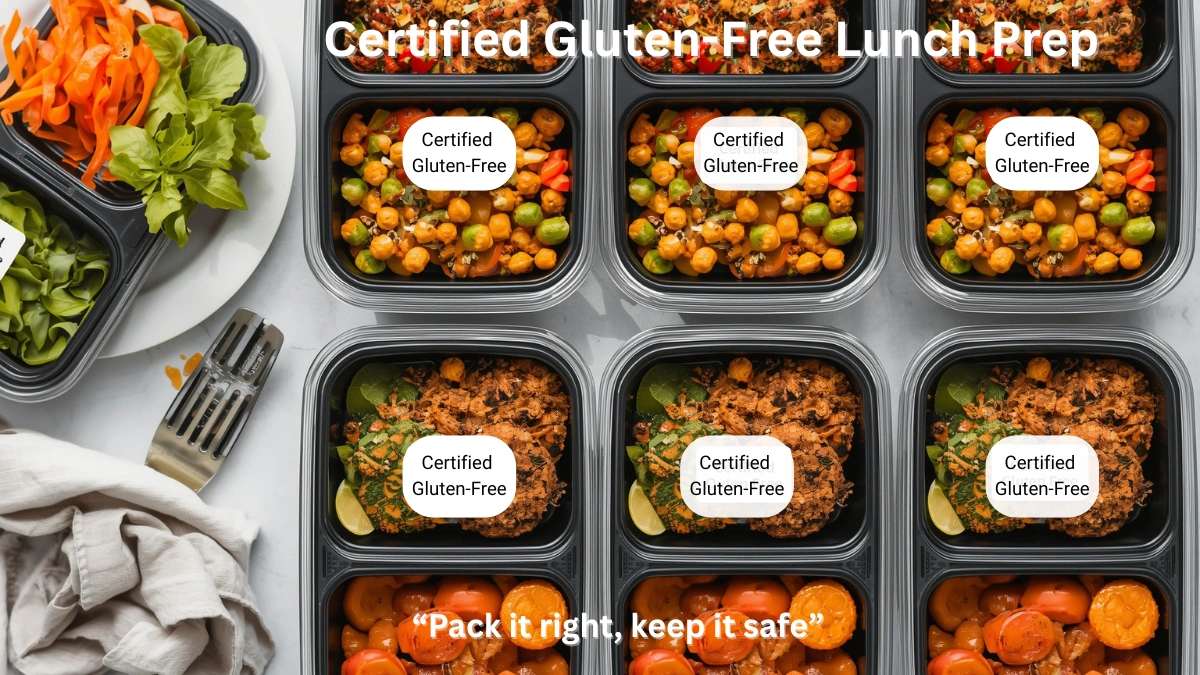
For products to be considered trustworthy, look for certification from organizations such as the Gluten-Free Certification Organization (GFCO) or endorsement from Celiac associations. Such products have been tested to contain less than 20 parts per million gluten, meeting international safety standards.
Trustworthy Vegan Gluten-Free Brands:
Some reliable options include Bob’s Red Mill (which has certified gluten-free lines), King Arthur Baking Company, Simple Mills, and Enjoy Life Foods. Always verify individual products, as some brands may produce both regular and gluten-free lines within their facilities.
Read Labels Efficiently:
Even from trusted brands, always double-check ingredient lists for wheat, barley, rye, malt, and brewer’s yeast. Keep an eye out for vague words like “natural flavoring” or “modified food starch”, as these may conceal gluten sources. When in doubt, contact the manufacturer directly.
International Considerations
Different countries have different standards for labelling gluten-free food items. In India, for instance, cross-contamination information isn’t always mandatory on packaging. Research your local certification standards and maintain a list of verified safe products within your region.
Safe Gluten-Free Vegan Snacks for Your Lunchbox
Quick Assembly Options
Fresh Fruit with Nut/Seed Butters:
Apple slices combined with almond or sunflower butter are an excellent source of both protein and healthy fats, as they prevent cross-contamination during production. For best results, look for certified gluten-free nut butters to avoid cross-contamination during processing.
Roasted Chickpeas:
Make your own using chickpeas, olive oil, and single spices (avoiding blends that may contain gluten). Store airtight containers for up to a week.
Rice Cake Combinations:
Try topping gluten-free rice cakes with avocado, hummus, or vegan cheese for a satisfying crunch without the risk of gluten exposure.
Make Your Trail Mix:
Combine raw nuts, seeds, and dried fruits into your homemade trail mix. Avoid pre-made mixes as these could contain gluten-containing cereals or be processed in unsanitary facilities.
Prep-Ahead Power Snacks
Energy Balls Recipe:
Mix 1 cup certified gluten-free oats, 1/2 cup tahini, 1/4 cup maple syrup, 1/4 cup ground flaxseed, and two tablespoons cacao powder in a mixing bowl until everything is thoroughly mixed and form into balls before refrigerating to enjoy grab-and-go snacks that last up to one week!
Veggie Chips:
Slice sweet potatoes, beets, or zucchini into thin strips, toss with oil and seasonings such as salt or spices until covered, then bake until crisp for an easy snack that delivers essential nutrition while satisfying cravings for crunchier snacks.
The Complete Celiac-Safe Lunch Checklist
Pre-Prep Verification
✅ All grains and flours are labeled “certified gluten-free”
✅ Protein sources checked for wheat gluten or contamination warnings
✅ Condiments and sauces verified gluten-free (including soy sauce substitutes like tamari)
✅ Snacks and packaged items carry proper certifications
✅ Cross-contamination warnings reviewed on all products
Kitchen Safety
✅ Separate prep area cleaned and designated gluten-free
✅ Clean utensils, cutting boards, and containers used exclusively
✅ No flour or wheat dust in air from recent baking
✅ Hands washed thoroughly before food handling
✅ All surfaces wiped with clean cloths (not sponges that may harbor gluten particles)
Packing and Transport
✅ Dedicated gluten-free lunch containers used
✅ Emergency snacks packed (in case lunch options aren’t safe)
✅ Eating utensils included to avoid shared tools
✅ Explanation card prepared for dining situations
✅ Contact information for safe restaurants or backup meal options
Common Mistakes in Gluten-Free Vegan Meal Prep (and How to Avoid Them)
The "Vegan Equals Safe" Assumption
People often assume that because a product is vegan, it must automatically be gluten-free. Unfortunately, this is one of the most dangerous misconceptions; seitan, many vegan burgers, and plant-based deli slices contain significant quantities of wheat gluten. It is wise to read every ingredient list regardless of its vegan labelling to ensure you make informed decisions.
Avoid Ignoring Manufacturing Warnings
Warnings such as “may contain wheat” and “processed in a facility that also processes wheat” are essential indicators for people living with celiac disease. They indicate potential cross-contamination that could turn otherwise safe ingredients dangerous.
Relying on "Gluten-Free" Claims
Unfortunately, not all restaurants offering gluten-free options follow celiac disease-safe food protocols. Shared fryers, cross-contamination of prep surfaces, and insufficient staff training make these menu items unsafe for those living with celiac disease. It is always a good idea to ask detailed questions regarding preparation methods or bring your own meal when eating out.
Forgetting About Beverages
Some beverages can contain hidden gluten. Some flavored plant milks use barley malt, and certain alcoholic drinks contain gluten. For the safest bet, choose water, plain coffee or tea and certified gluten-free plant milks as the beverage source.
Expert Resources and Authority Links
For expert resources and authority links related to celiac disease and cross-contamination prevention, visit Beyond Celiac’s cross-contact guidelines, which outline strategies for maintaining a gluten-free environment.
The Vegan Society provides evidence-based guidance for maintaining nutritional balance while following both vegan and gluten-free diets. At the same time, Coeliac UK has produced its Cross-contamination guide as a region-specific resource to offer advice on safe food handling practices and dining out strategies.
Establish Your Safest-Ever Lunch Routine
Crafting consistently safe gluten free vegan lunch ideas requires knowledge, vigilance, and preparation. By understanding where gluten hides in foods, implementing cross-contamination prevention measures to safeguard health and selecting certified gluten-free products, you can create diverse yet flavorful lunches without risk.
Remember that managing celiac disease is a medical necessity and not an optional dietary choice. When in doubt, always select the safest option available and speak up when advocating for yourself in social and workplace situations.
For more delicious and safe meal ideas, explore our “Vegan and Gluten Free Lunch Ideas for Every Day” and comprehensive “5 Easy Vegan Gluten-Free Lunch Recipes for Busy Days” guides.
Frequently Asked Questions
How do I check if a vegan product is also gluten-free?
Look for “certified gluten-free” labels from recognized organizations, like the Gluten Free Certification Organization (GFCO). Read ingredient lists carefully to search for wheat, barley, rye, malt and brewer’s yeast in the lists of ingredients. For any further questions on specific ingredients or cross-contamination procedures, contact manufacturers directly.
What are the most significant cross-contamination risks when making gluten-free vegan lunch prep?
Highest risk scenarios involve shared cutting boards, utensils, toasters and prep surfaces; airborne flour particles; sharing condiments and spreads; as well as using sponges or cloths that have previously cleaned gluten-containing items. Manufacturing cross-contamination during processing also poses a substantial threat.
Can Oats Be Included in Gluten-Free Vegan Lunches?
Only if They Are Certified “Gluten Free.” Regular oats often become contaminated during harvesting or processing and must therefore be labelled “certified gluten-free.” This also applies to oat milk, cereals containing oats or any products with oats in them.
What are some safe, certified gluten-free vegan snacks for lunchboxes?
Consider pairing fresh fruits with certified gluten-free nut butters, homemade roasted chickpeas with single spices, rice cakes topped with safe toppings, DIY trail mixes with certified ingredients or products from trusted brands like Enjoy Life Foods or Simple Mills as sources for reliable snacks.
How can I explain my gluten-free vegan lunch needs to colleagues and friends?
Be specific and emphasize the medical nature of celiac disease. Make it clear that vegan, certified gluten-free foods are necessary, as even tiny amounts of gluten can have profound health implications. Create an information card highlighting key points for easy reference.
Conclusion
Being aware of the hidden sources of gluten is crucial to a healthy diet without stress. If you follow the safety guidelines and practical tips we’ve shared, you’ll be able to create gluten-free vegan meals that taste great and are safe for celiacs. From checking the labels on your food items and avoiding cross-contamination by using specific kitchen equipment, each small step will help ensure health and taste when you eat!
Be aware that vegan and gluten free lunch ideas don’t have to be difficult. If you plan it with awareness, it could become a habit. Try new recipes, ingredients, and ways to prepare meals, and you might discover new occasions to dine in a relaxed atmosphere without stress or worry. These tips will allow you to prepare a healthy, balanced, gluten-free vegan lunch meal each day, regardless of the place!
Pro Tip: Need an easy way to be sure that your meals are 100 per cent secure? Make use of our Gluten-Free Vegan lunch Prep Checklist. It provides an easy-to-print guide to help you find the hidden sources of gluten, prepare healthy meals, and enjoy the meal with confidence every day!